Last verified: April 2026
The Most Cannabis-Tolerant Region in Mexico
CDMX is, in cultural terms, Mexico's cannabis capital — even though there is not a single legal dispensary anywhere in the city's 16 alcaldías. Three forces converge:
- Morena-led city government since December 2018: Sheinbaum (2018–2023), Martí Batres (2023–2024), Clara Brugada (2024–).
- The Plantón 420 activist encampment outside the Senate, an internationally recognized symbol of Mexican cannabis civil disobedience.
- Bohemian Roma–Condesa cafe and bar culture; major university populations.
The Plantón 420 — "Senate Cannabis Garden"
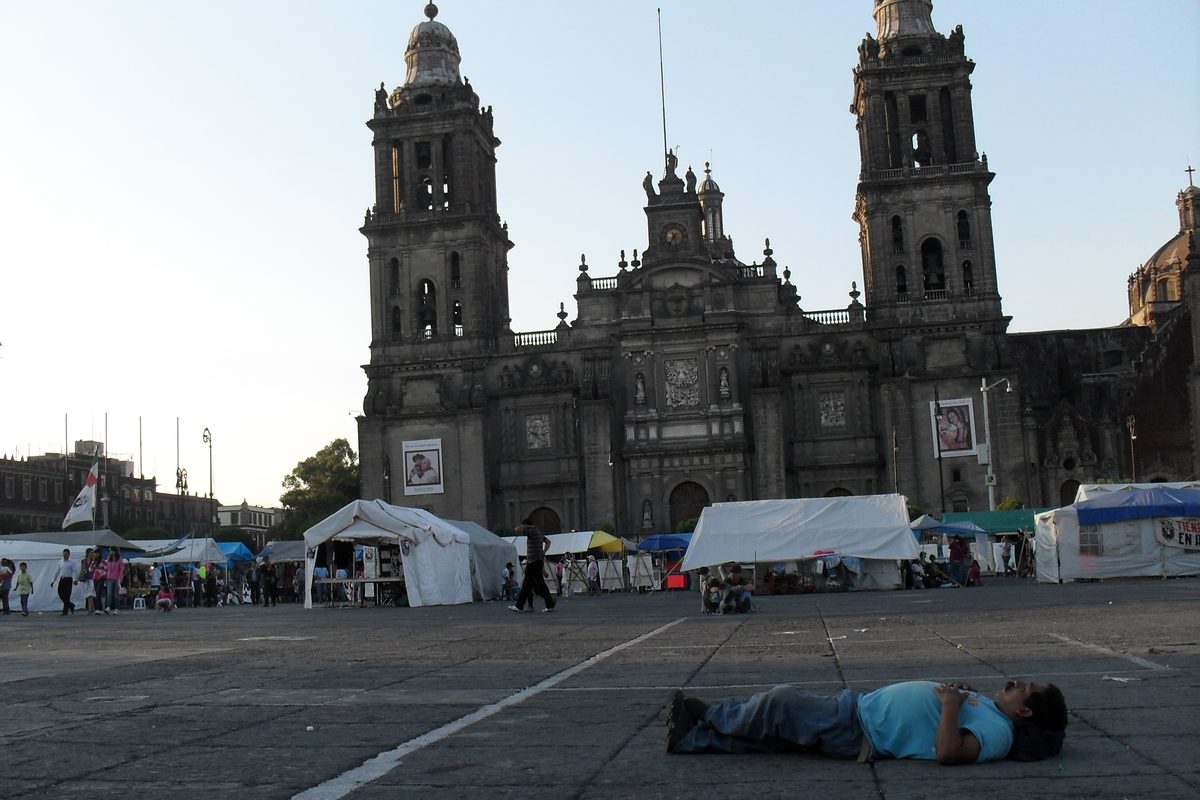
Across the street from the Senado de la República in Tabacalera, an activist encampment has, with periodic interruptions, maintained a visible cannabis-smoking and growing presence since 2020. The Plantón 420 is part protest, part community, part horticultural demonstration. It sprang up to pressure the Senate during the November 2020 cannabis-bill vote and has persisted since. The Senate's failure to deliver implementing legislation has, paradoxically, made the Plantón a permanent fixture.
Visitors should treat the Plantón as a community space, not a tourist attraction. Photography is sometimes welcome, sometimes not. Consumption nearby is broadly tolerated; consumption directly in the encampment is normalized.
Neighborhoods
Roma Norte and Condesa
The bohemian heart of cannabis-tolerant CDMX. Bars, music venues, design studios, restaurants, and bookstores operate with a relaxed posture. Coffee shops along Álvaro Obregón, Insurgentes, and Amsterdam see discreet cannabis presence. Police presence is real but generally focuses on traffic and public-disorder issues rather than cannabis-specific enforcement.
Juárez
Adjacent to Roma and Reforma, Juárez has a mid-tolerance posture with active LGBTQ+ nightlife (Zona Rosa) and cannabis subculture. Reforma-corridor police enforcement is more active.
Centro Histórico
A more contested zone with heavier police presence around the Zócalo. Public consumption near official buildings (Palacio Nacional, Catedral Metropolitana, SCJN) is more risky. The Centro is a working zone for federal and city police; visible consumption is more likely to draw attention than in Roma Norte.
Coyoacán and Tlalpan (south)
Bohemian neighborhoods south of the city center; Coyoacán plaza, Frida Kahlo Museum (Casa Azul), and Universidad culture create a tolerant atmosphere. The UNAM Ciudad Universitaria campus is in Tlalpan / Coyoacán border area.
Polanco and Lomas (west)
Wealthy residential and shopping districts. Cannabis culture exists but is private and discreet. Hotel and restaurant security are strict.
Santa Fe (far west)
Corporate / Ibero university district. Discreet university subculture; corporate environments are strict.
University Zones
- UNAM Ciudad Universitaria (Coyoacán) — the largest student population; famous for the Día Mundial de la Marihuana (April 20) gatherings. Campus culture is broadly tolerant; UNAM administration generally takes a hands-off posture.
- IPN Zacatenco (north) — engineering / sciences. More disciplined.
- ITAM (San Ángel) — economics / law. Discreet.
- Ibero (Santa Fe) — Jesuit private. Discreet.
Cultural Infrastructure
- Expo Cannabis and Medical Cannabis México conferences — annually, primarily at WTC México and Pepsi Center venues.
- MUCD events — drug-policy reform forums.
- Amparo facilitator clusters — the largest concentration of cannabis-amparo law firms in Mexico, primarily in Roma–Juárez–Reforma corridor.
- Cannativa, AsoCann, ReverdeSer Colectivo — patient and harm-reduction organizations with CDMX bases.
Police and Enforcement Reality
CDMX police, while broadly less aggressive on cannabis than Cancún or Cabo, do conduct stops — particularly on tourists, at major events, and on Avenida Reforma (the federal-government corridor). Hotel-zone enforcement near Reforma 5-star hotels is more active. The city's CC Cuauhtémoc and Miguel Hidalgo alcaldías see the most cannabis-related municipal-police interactions.
What Tourists Should Know
- No legal dispensaries — anywhere. Sale of cannabis is illegal everywhere in CDMX.
- Discreet personal consumption is broadly tolerated in Roma–Condesa cafe culture, university zones, and around the Plantón 420.
- Avoid Reforma corridor for visible consumption — high police density, federal-government adjacency.
- Hotels generally prohibit cannabis. Discreet personal consumption in private rooms is the safest framing if you choose to risk it. See resort policies.
- Don't drive impaired — CDMX runs the most extensive drug-detection alcoholímetro program in Mexico. See DUI & driving.
Notable CDMX Cannabis Events
- Día Mundial de la Marihuana (April 20) — UNAM Ciudad Universitaria gathering, generally peaceful, with student-organized events and informal vendors.
- Plantón 420 anniversaries — periodic reform-coalition events at the Senate site.
- ExpoWeed / Cannabiz México — industry trade events.
Where Amparo Permits Concentrate
CDMX has the largest concentration of amparo permit holders in Mexico, supported by a sophisticated legal-services market and the SCJN's CDMX location. Major facilitator law firms operate in Reforma, Polanco, Roma, and Juárez. See amparo process.
Things to Do in CDMX (Conscious-Consumer)
- UNAM Ciudad Universitaria — UNESCO World Heritage; Diego Rivera murals; Estadio Olímpico Universitario.
- Casa Azul / Frida Kahlo Museum (Coyoacán).
- Museo Nacional de Antropología (Chapultepec).
- Mercado de Coyoacán and Mercado Roma.
- Lucha libre at Arena México (Doctores).
- Xochimilco — Aztec-era canal system.
- Bosque de Chapultepec — the city's central park.
For in-depth cannabis education, dosing guides, safety information, and research summaries, visit our partner site TryCannabis.org